Retaining Wall Construction Reno, NV
When the Property Needs a Little More Structure
A sloped property can make it difficult to use the space the way you want. Soil moves, water follows the grade, and areas that could otherwise become patios, planting beds, walkways, or usable yard space may be left sitting at an awkward angle. A retaining wall can change the way those areas work by holding the soil in place and creating a more manageable transition between elevations. Reno properties also bring some specific challenges to retaining wall construction. Rocky or expansive soils, drainage, hot summers, freezing winters, and freeze-thaw cycles can all affect how a wall should be designed and built. ICG Construction & Landscaping brings its construction and landscaping experience to retaining wall projects throughout Northern Nevada, taking the property and the conditions around it into account during the build.
Our Services
Retaining Wall Services
ICG’s design-build services bring planning and construction considerations together for larger residential projects.
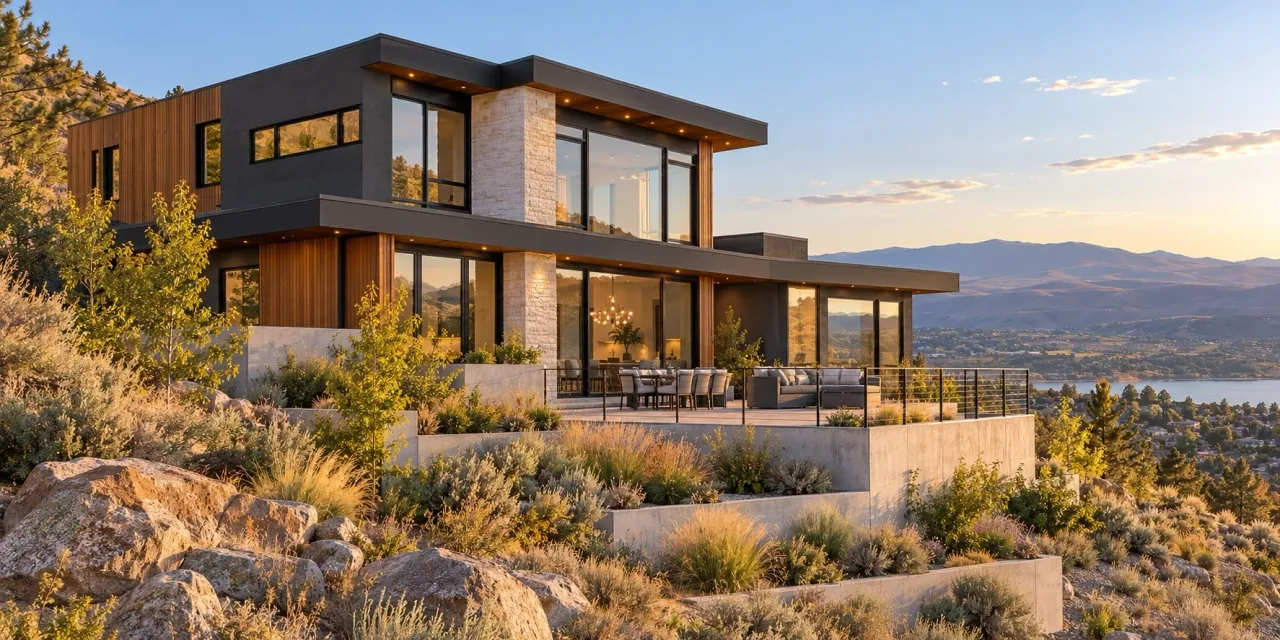
Natural Stone Retaining Walls
Natural stone can give a retaining wall a more organic appearance, particularly when the wall is part of a larger landscape. The stone needs to be selected and installed with the wall’s structural demands in mind, while its color and texture can be coordinated with the rest of the property.
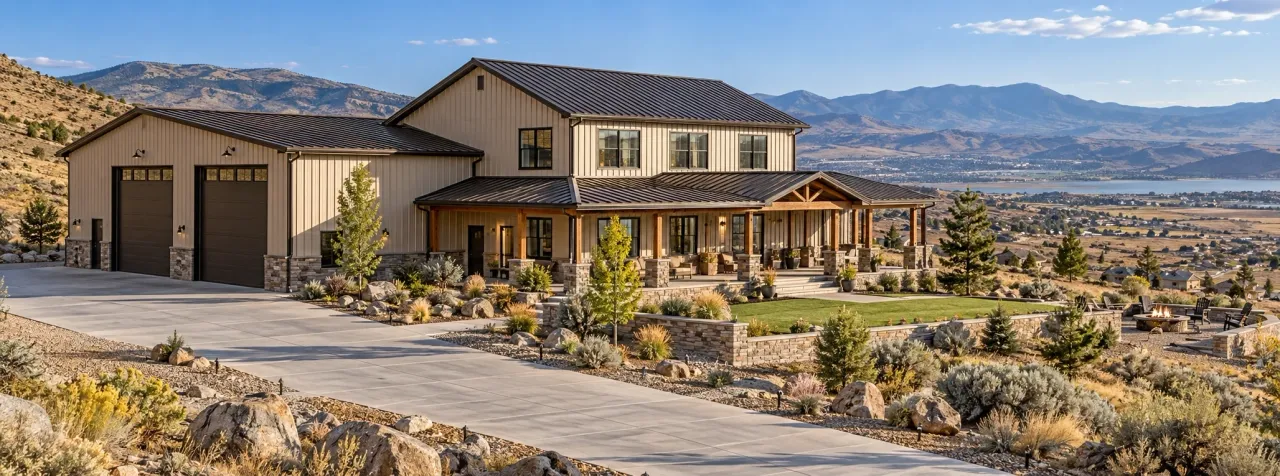
Concrete Retaining Walls
Concrete can work well when a project calls for a strong, structured wall with a particular shape or finish. It can also be used where the wall needs to handle significant soil pressure or work alongside other constructed areas on the property.
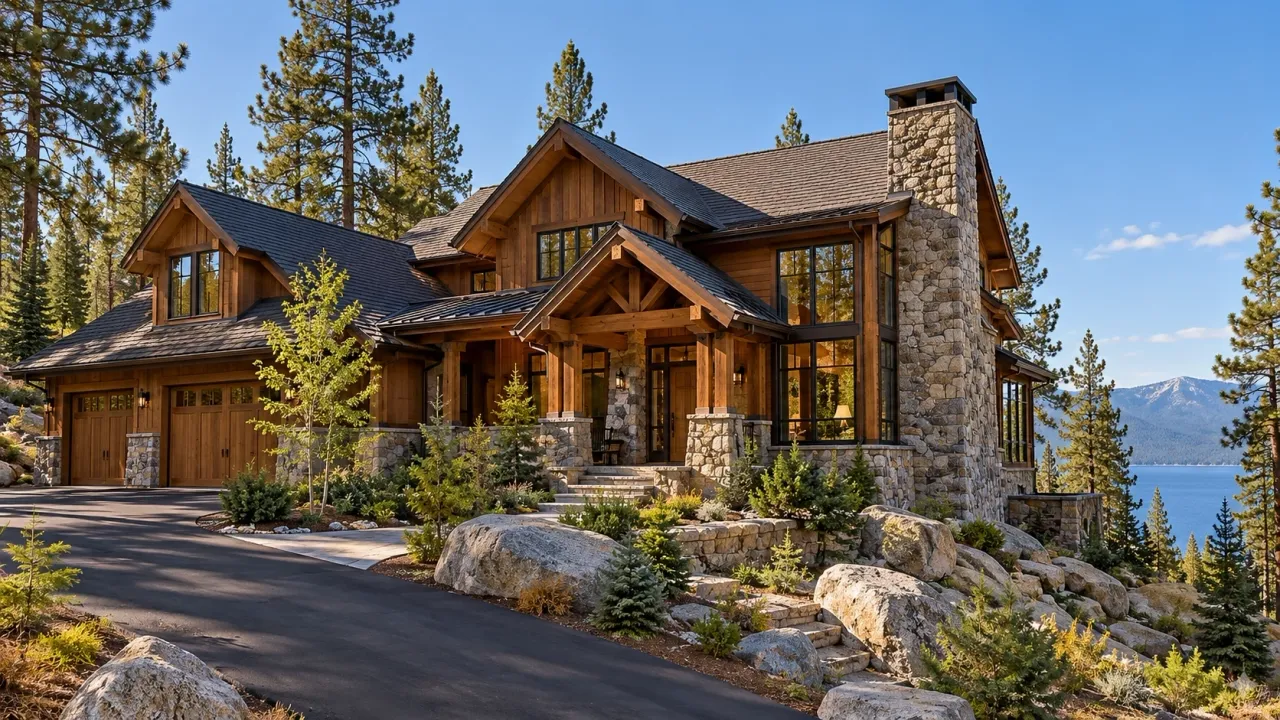
Masonry Retaining Walls
Masonry walls offer another option for properties where appearance is an important part of the project. Brick, block, and other masonry materials can be used to create a finished wall that works with the home’s architecture and surrounding landscape.
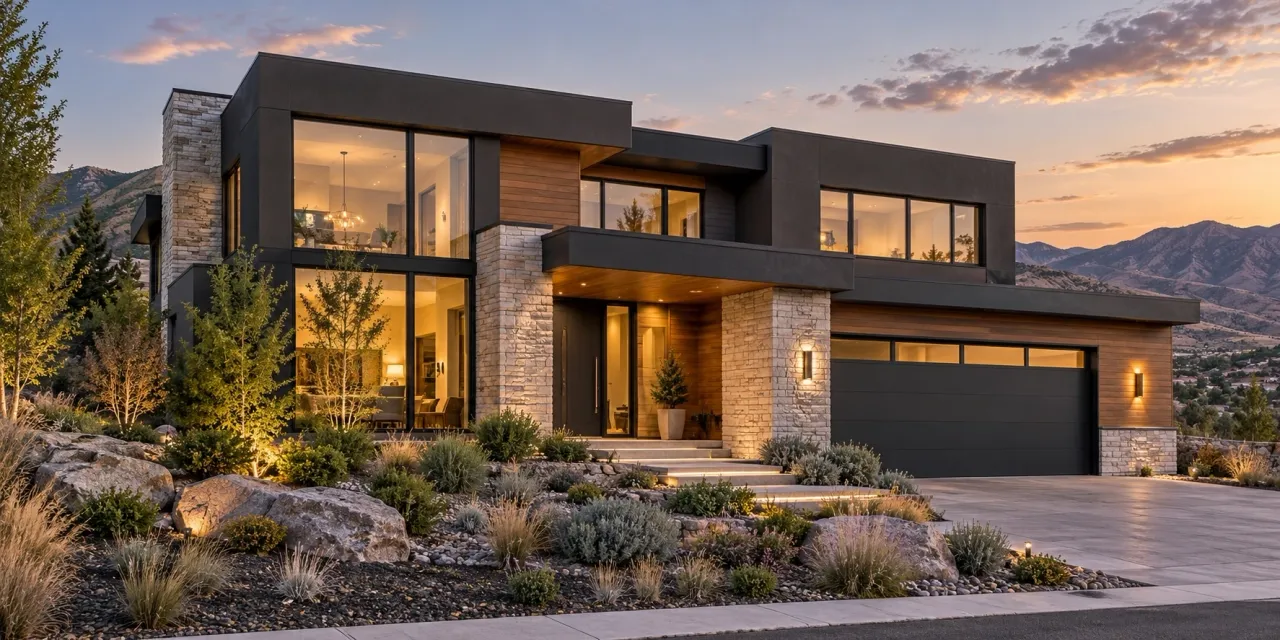
Terraced Retaining Walls
A steep grade does not always need to be handled with one tall wall. Several shorter walls can create a series of usable levels across the property, with each section helping manage the elevation change. Terracing can also create room for planting areas, paths, or other parts of the landscape.
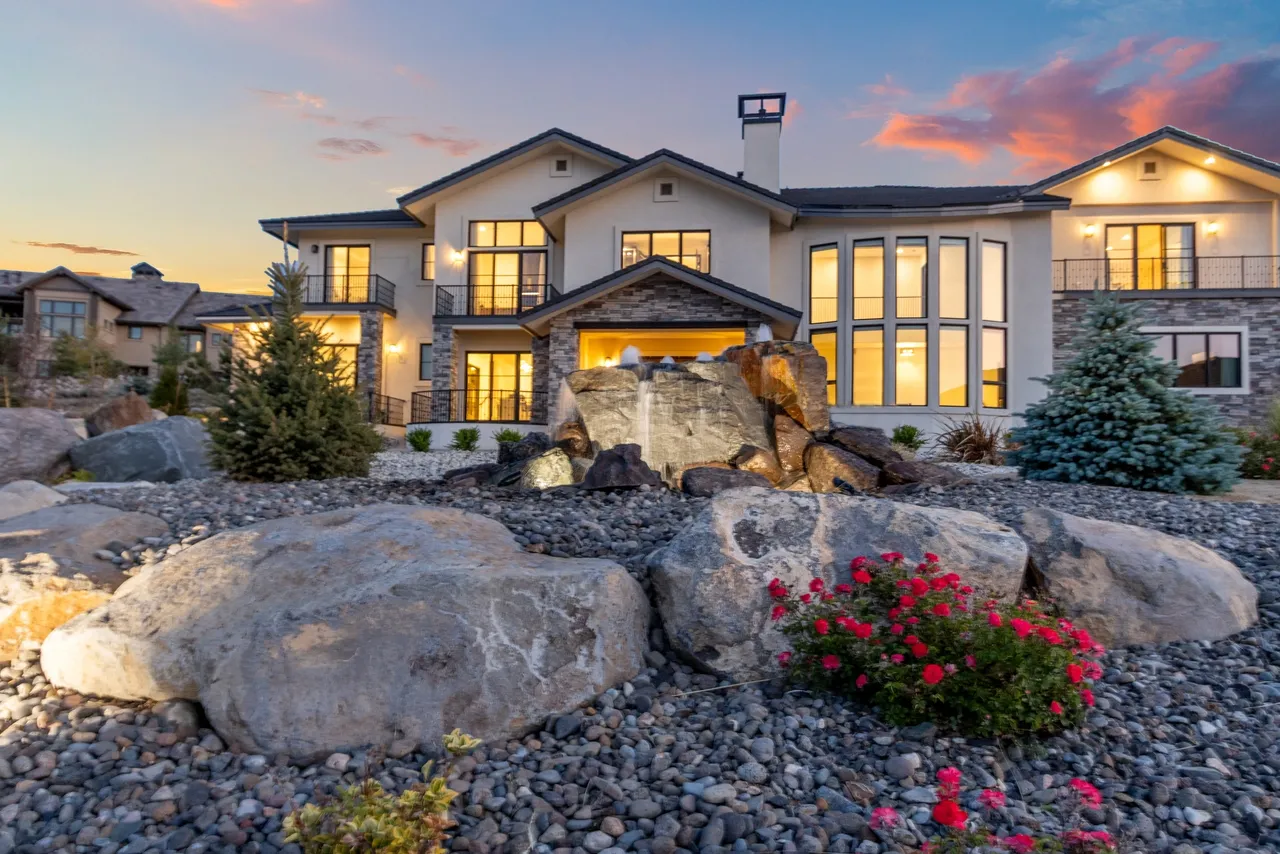
Retaining Walls for Drainage
Water can put considerable pressure on a retaining wall if it has nowhere to go. Drainage behind the wall may include clean gravel and perforated drain pipe, giving water a path away from the structure instead of allowing it to build up behind the wall.
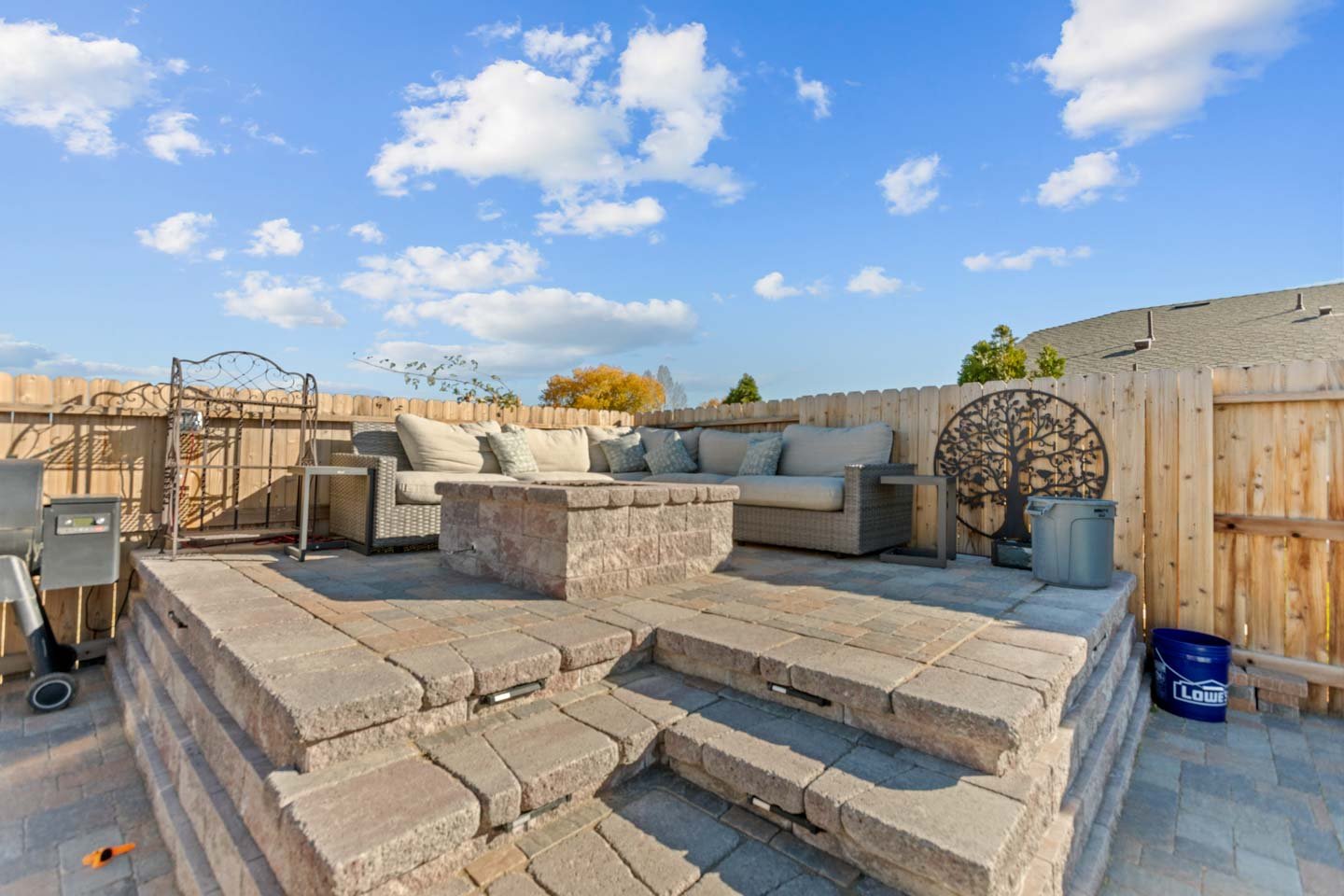
Retaining Walls for Outdoor Spaces
Changing the grade can open up possibilities for parts of the property that were difficult to use before. A retaining wall might help create a level area for a patio, make room for planting, or separate different parts of the yard without leaving a steep drop between them.
Why choose us
Why Choose ICG
01
60+ Years of Combined Experience
ICG has been serving the Reno area since 2013, with more than 60 years of combined experience across its team. That experience covers construction, landscaping, excavation, and concrete work, giving the company a broader understanding of what can be involved when a retaining wall changes the grade of a property.
02
Licensed, Bonded, and Insured
Retaining wall construction can involve structural work, excavation, grading, and drainage. ICG is fully licensed, bonded, and insured, with a Nevada B-2 General Contractor license and additional contractor classifications.
03
Construction and Landscaping Under One Company
A retaining wall often affects more than the wall itself. The surrounding landscape may need to be reworked, grades may need to change, or other construction may be needed around the property. ICG handles both construction and landscaping, so those pieces can be considered together.
04
Design and Construction Work Together
ICG works alongside its sister company, Perception Design Group, on design and drafting services. That connection allows design decisions and construction considerations to be discussed together as a project develops.
05
A Team Equipped to Manage the Work
ICG has project managers, a construction manager, a superintendent, and field crews working across its projects. That gives the company the people and structure needed to coordinate the different stages of a construction project rather than leaving everything to a single point of contact.
The process
Our Retaining Wall Construction Process
01
Look at the Property
The project starts with the area where the wall needs to go. The existing grade, soil, access, drainage, nearby structures, and intended use of the space all help determine what the project will require.
02
Determine the Wall Design
The height and layout of the wall are developed around the grade and the conditions of the site. Material selection also comes into play, particularly when the wall needs to coordinate with the existing home or landscape.
03
Plan for Drainage and Stability
A retaining wall has to deal with more than the soil directly in front of it. Drainage, base preparation, reinforcement, and other structural considerations are addressed as part of the construction plan.
04
Prepare the Site
The area is excavated and prepared for the wall. A properly compacted base provides the foundation for the finished structure, while the site preparation also establishes the grades and drainage paths needed for the project.
05
Build the Wall
The wall is constructed according to the plans and site requirements. As the work progresses, attention stays on alignment, stability, drainage, and the way the wall meets the surrounding property.
06
Finish the Surrounding Area
The space around the completed wall can then be brought back together with the rest of the landscape. Depending on the project, that may include planting areas, walkways, patios, grading, or other improvements.
Testimonials
Customer stories
See what customers have to say about working with ICG Construction & Landscaping.

Five-star experiences


 Trustindex verifies that the original source of the review is Google.
 Trustindex verifies that the original source of the review is Google.

 Trustindex verifies that the original source of the review is Google.
 Trustindex verifies that the original source of the review is Google.

 Trustindex verifies that the original source of the review is Google.
 Trustindex verifies that the original source of the review is Google.
 Trustindex verifies that the original source of the review is Google.
 Trustindex verifies that the original source of the review is Google.
 Trustindex verifies that the original source of the review is Google.
 Trustindex verifies that the original source of the review is Google.
Ready when you are
Bring More Definition to the Property
A retaining wall can give a property a more usable layout. It can hold back soil along a grade, create a level area for a patio or planting bed, or separate different elevations in the yard. The design can also tie into the rest of the landscape, so the wall feels like part of the property rather than a separate feature.
ICG handles retaining wall construction as part of its residential construction and landscaping work throughout Reno, Sparks, Carson City, and Northern Nevada.
FAQ
FAQ
How tall can a retaining wall be in Reno?
It depends on the wall, the property, and the local requirements that apply to the project. In Reno, retaining walls over 4 feet generally require engineered plans and a building permit, while shorter walls may fall under different requirements. The site should be reviewed before construction starts so you know what the job will involve.
Do retaining walls need drainage?
Yes. Water can build up behind a retaining wall and put pressure on the structure if it doesn’t have somewhere to go. A drainage system may use perforated pipe, clean gravel, and other solutions to move water away from the wall.
What type of material is best for a retaining wall?
There’s no single material that’s right for every property. Natural stone, concrete, masonry, and other materials can all work well, depending on the wall’s height, the soil, the surrounding landscape, and the look you’re after. The material also needs to hold up to Reno’s hot summers and freezing winters.
Can a retaining wall help with a sloped yard?
Yes. A retaining wall can hold soil in place and make a change in elevation easier to manage. If the property has a steep grade, several shorter walls can sometimes be used to create terraces instead of putting all the soil pressure on one tall wall.
Can retaining walls be used around a patio?
They can. A retaining wall can help create a level area for a patio when the property has a grade change. The wall and patio should be planned together so the elevations, drainage, access, and surrounding landscape all work properly.
Can a retaining wall include seating?
Yes, a larger retaining wall can sometimes include a section that works as casual seating. If that’s something you want, it should be part of the design from the beginning so the wall can be built to handle the additional use.
What soil conditions affect retaining wall construction in Reno?
Reno properties can have rocky or expansive soils, and those conditions can affect how a retaining wall needs to be built. Soil conditions can influence excavation, drainage, the wall’s base, and the type of reinforcement required, particularly on a larger project.
Do retaining walls require engineered plans?
Some do, and the requirements depend on the wall and the property. Height, soil conditions, loading, location, and local building requirements can all come into play. Taller retaining walls generally need more structural planning than smaller landscape walls.
Can a retaining wall improve drainage?
It can be part of a larger drainage solution, but the wall itself isn’t a drainage system. Water needs a way to move around and behind the structure so it doesn’t build up pressure. Proper drainage can also help prevent water from spilling into other parts of the yard.
How do I get started with a retaining wall project?
Start by having the area assessed. ICG can look at the existing grade, soil, drainage, surrounding property, and how you want to use the space. From there, the team can determine what the retaining wall project may require and what kind of solution makes sense.
How much maintenance does a retaining wall need?
Most retaining walls don’t require much routine maintenance once they’re properly built. It’s still a good idea to check the surface occasionally for cracks, movement, drainage problems, or soil spilling over the top. If you notice a change, addressing it early can help prevent a larger repair later.
How long does it take to build a retaining wall?
There’s no set timeline for every job. Wall height, materials, site access, excavation, drainage, and the amount of preparation the property needs can all affect the schedule. A straightforward wall may take relatively little time, while a larger project may need engineering and more extensive site work.